
Safety strategies for conveyor systems by Omron
Technology to keep your workers safe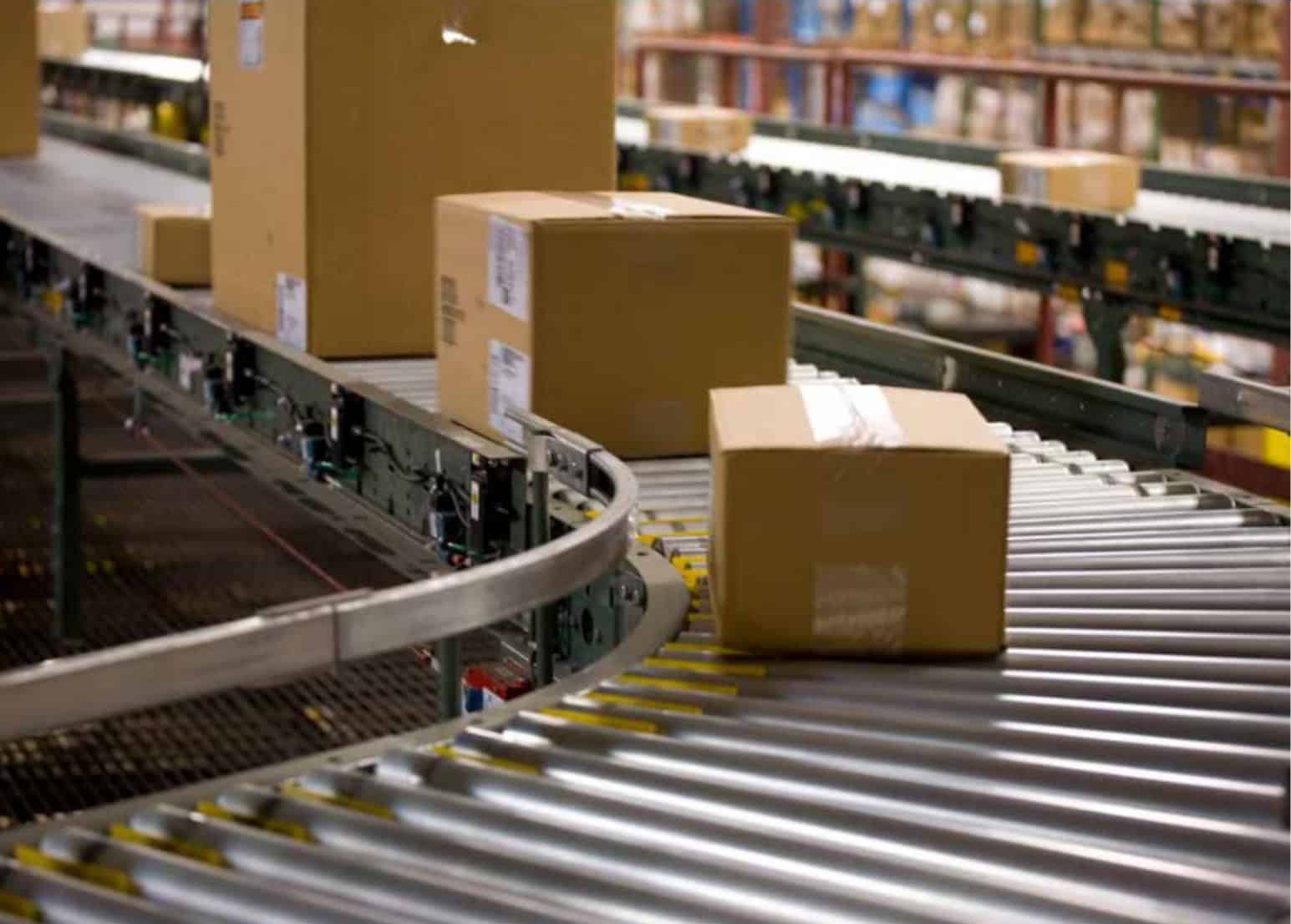
A comprehensive safety solution
Regardless of a conveyor system’s product type, accumulation requirement, and surrounding environment, one thing that cannot be ignored is functional safety. Protecting your people and keeping your machines running always starts with a risk assessment. It’s essential to identify all risks that operators will be exposed to during any activity, including maintenance and troubleshooting. This quick guide outlines several considerations for ensuring safety around conveyors:
• Protect your people and keep your machines running
• Understand your risks and guard against common safety hazards
• Ensure compliance and productivity
June is National Safety Month: National Safety Month is observed to raise awareness about preventing injuries and deaths at work, on the road, and in homes and communities.

1. Guarding pinch points
OSHA 1910.211(d)(44) defines a pinch point as any spot other than the point of operation where a body part can be caught between the moving parts of a press or auxiliary equipment, between moving and stationary parts of a press or auxiliary equipment, or between the material and moving part or parts of the press or auxiliary equipment. A nip point is anywhere that part of a person’s body can be caught between a machine’s moving parts, between the moving and stationary parts of a machine, or between material and any part of the machine. Typical nip points include gears, rollers, belt drives, and pulleys.

2. Selecting emergency stop devices
Since conveyors come in different lengths and layouts, pushbutton emergency stops may be difficult for operators to reach and therefore may not be the ideal solution. Rope switches can be a cost-effective choice because they provide varying spans and are simple to install along the length of a conveyor. A person working at any point of the conveyor has access to the safety device and can simply pull the cord to stop the system.

3. Designing a safety circuit
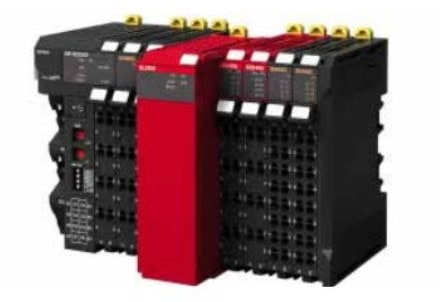
All safety input devices, including E-stop pushbuttons and rope switches, must be connected to safety logic devices (i.e., either a safety relay or safety controller) that meet safety requirements. Built-in, self-monitoring capabilities and redundant circuits can ensure that the safety function prevails in the case of a component failure like a short circuit. This functionality can automatically test the correct opening and closing of safety devices in each on-off cycle. Implementing a compliant emergency stop function involves more than risk assessments and device installation. These devices must be wired to a safety logic device with advanced diagnostic capabilities that monitor inputs and outputs and overrides all processes to make the conveyor system stop upon activation of a safety device or a malfunction in the safety circuit.
4. Other considerations for keeping workers safe around conveyors
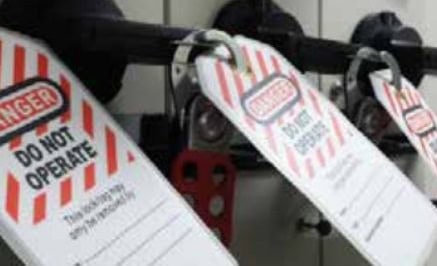
Once you have implemented a validated and verified safety solution, the next step is training. You will need to train workers on conveyor best practices like general operation and maintenance. In addition, you must consider functional safety training to ensure that everyone understands how safety devices work and how to maintain them. A large percentage of conveyor injuries occur when workers are performing maintenance, so be sure to also have clear lockout/tagout policies.